Food Secret Santa Gifts: Edible Picks Everyone's Happy to Receive
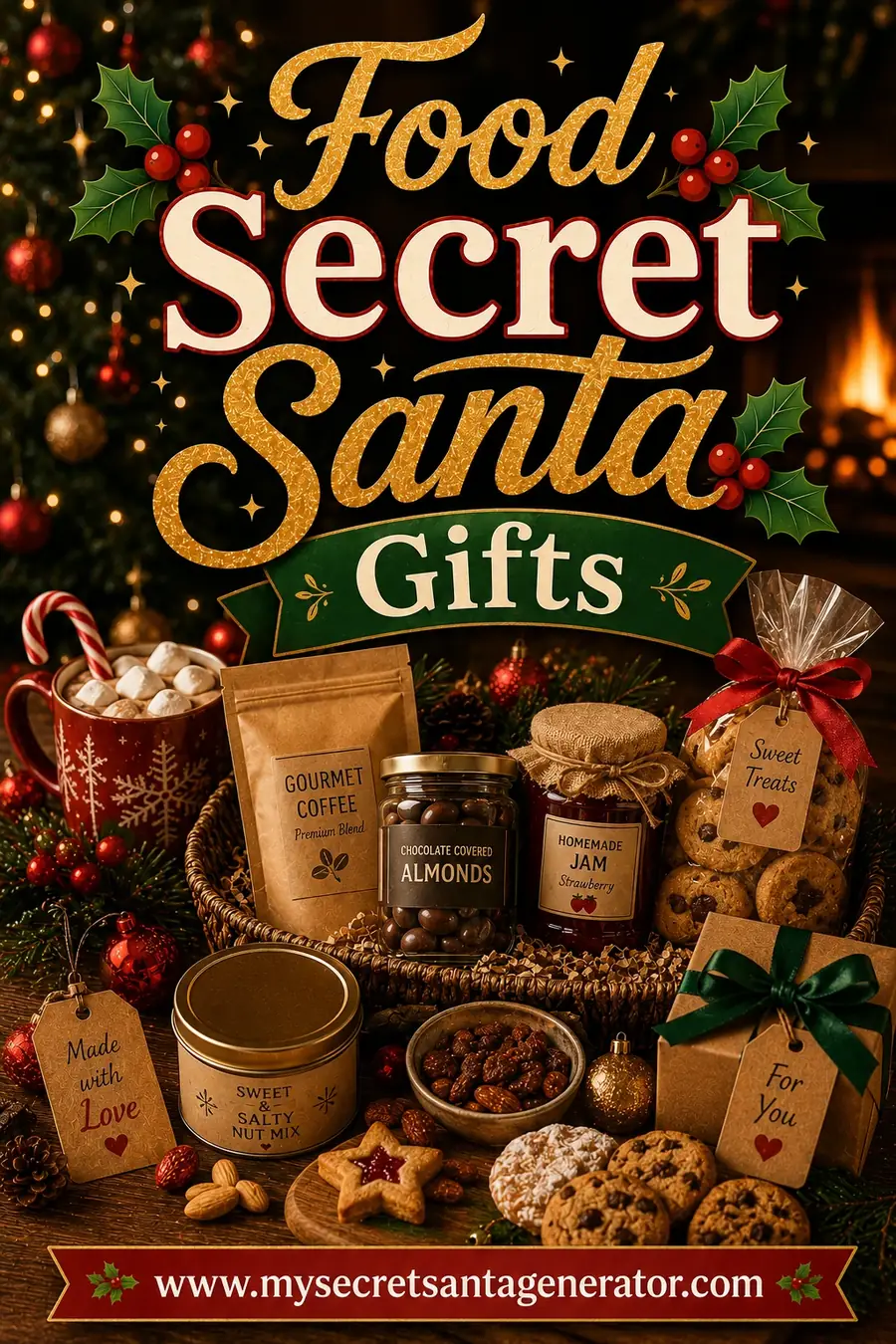
Food is the great equalizer of gift-giving. It doesn't require knowing someone's aesthetic. It doesn't accumulate in their home. It doesn't require knowing their size, their color preferences, or whether they're a minimalist. People eat, and when the food is genuinely good, they're happy about it.
The distinction between a food gift that lands and one that doesn't is simple: quality and specificity. A tin of grocery-store shortbread is not a food gift — it's an afterthought. A box of artisan shortbread from a Scottish maker, or a selection of seasonal biscuits from a specialty brand, with a note about why you chose it — that's a gift.
The Food Gift Categories Worth Knowing
Specialty chocolate. The single most universally reliable food gift category. Not mass-market chocolate — a box from a craft chocolatier, a selection of single-origin bars, a collection of flavored truffles, or an interesting paired chocolate set (dark chocolate with flavored salts, chocolate with dried fruits, drinking chocolate with a spoon). At $15–$30 the quality in this category is remarkable and visibly different from what's available at any drugstore.
An artisan snack or charcuterie set. A curated selection of quality crackers, specialty spreads, and a small cured meat or cheese item — assembled yourself from a quality grocery or available as a pre-curated set from specialty food brands. At $20–$35 this is the food gift that looks impressive and is eaten over several enjoyable sessions.
A specialty hot drink kit. A hot cocoa set with artisan marshmallows and flavored cocoa, a matcha kit with ceremonial-grade matcha and a bamboo whisk, a chai latte kit with whole spices, or a specialty tea collection in a beautiful tin. At $18–$28, hot drink kits are the food gift with the strongest seasonal resonance — deeply appropriate for winter.
Specialty coffee beans or an interesting coffee set. Not supermarket coffee — a bag from a local or regional roaster, a pour-over set with single-origin beans from a specific origin, or an interesting flavored coffee collection. At $15–$25 this is the morning ritual gift that improves someone's best part of the day.
A global or regional food experience set. A Japanese snack box, a Korean snack selection, an Italian pantry set, a Mediterranean olive oil and dipping spice set, a Middle Eastern spice collection. Food gifts that introduce something unfamiliar and interesting are often the most remembered because they create an actual new experience.
An artisan jam, preserve, or condiment set. A set of three or four unusual jam flavors (fig and black pepper, strawberry and basil, spiced apple, blood orange marmalade), a premium honey collection with different varieties, a high-quality hot sauce set with tasting notes, or an interesting condiment collection from a specialty maker. At $15–$25 these are the refrigerator gifts that get used over weeks.
Specialty baked goods. A quality cookie tin from an artisan baker, a box of brownies or financiers from a specialty producer, a collection of flavored shortbread, or an interesting flavored cake in a gift box. Not the grocery store version — the specialty brand or local baker version, where the product itself is noticeably different.
A meal kit or cooking experience set. A specialty ramen kit with all components, a risotto kit with quality arborio and a dried mushroom selection, a pizza-making kit with imported flour and ingredients, or a specialty soup kit. The food gift that makes a meal — an experience that extends over an evening.
Choosing a Food Gift by What You Know
For someone with a specific dietary restriction: Verify the item fits their actual diet before buying. A vegan chocolate set for a vegan recipient, a gluten-free baked goods collection for a gluten-sensitive person — matching the diet shows you paid attention. The wrong dietary assumption is worse than no food gift.
For someone who loves to cook: Quality ingredients they'd use in their kitchen — a premium olive oil, a specialty pepper collection, a single-origin spice set, an interesting fermented condiment. The chef wants tools and ingredients, not finished snacks.
For someone who loves breakfast: A specialty granola collection, a quality maple syrup set, an interesting jam selection, or a morning ritual drink kit. Meeting them at their favorite meal of the day.
For the dessert person: Artisan chocolate, specialty caramels, a high-end cookie collection, or a premium cocoa set. The sweet gift in its premium form.
For someone you know nothing about: An artisan chocolate selection. Literally every adult who is not specifically opposed to chocolate will appreciate a quality chocolate box. It is the most universally safe food gift in existence.
Presentation for Food Gifts
A food gift that's well-presented reads as a premium gift even at modest cost. The components:
Quality packaging. The food in its original packaging is fine; the food arranged in a quality box, a wooden crate, or a cloth bag with tissue paper is better. At $3–$5 extra, the packaging upgrade significantly changes the perceived value.
A tag with context. "From [small-batch chocolatier name]" or "Single-origin from [region]" on a handwritten tag tells the recipient that you didn't just grab the nearest food item — you found something specific and interesting.
A personal note. Even one sentence — "I keep hearing about this chocolatier and wanted to finally try it with someone who would appreciate it" — transforms a food gift from transactional to personal.
Dietary Considerations Checklist
Before buying any food gift, run through this quickly:
Vegan: No dairy chocolate, no honey, no gelatin-containing products (some gummies and marshmallows). Specialty dark chocolate assortments are usually safe. Label-read any baked items.
Gluten-free: Most chocolate is fine. Skip anything with wheat-based crackers or baked goods unless specifically labeled gluten-free. Specialty food sets often label this clearly.
Nut allergies: High-stakes — specialty chocolate is frequently produced in facilities with nuts. Confirm "nut-free" explicitly on labeling before buying for anyone with a known nut allergy.
Caffeine-sensitive: Avoid coffee gifts. Tea gifts are fine if they include herbal options. Hot cocoa is generally fine at the amounts in a cup.
No spicy foods: Skip the hot sauce gift if there's any doubt. Mild chili is often listed as a flavor in artisan chocolate — check the components.
For someone you're unsure about, a premium tea collection or a specialty jam and fruit preserve set is the most universally safe food gift category — no major allergens, no caffeine concerns, broadly appealing.
Frequently Asked Questions
What's the best food Secret Santa gift?
An artisan chocolate assortment from a real chocolatier is the most universally excellent food gift — recognizably quality, immediately enjoyable, and appropriate for virtually any recipient. Second: a specialty hot drink kit (hot cocoa or tea) for its seasonal resonance.
What's a good edible Secret Santa gift under $20?
A quality specialty chocolate assortment, a premium tea tin with interesting varieties, a flavored hot cocoa kit, or a single-origin coffee bag from a local roaster. All under $20 and all genuinely good.
Is food an appropriate Secret Santa gift?
One of the best categories — it's consumable (no clutter), universally enjoyed, and doesn't require knowing someone's aesthetic. The only qualification: confirm any dietary restrictions before buying.
What food gifts are appropriate for a workplace Secret Santa?
Specialty chocolates, a quality tea or coffee assortment, an interesting snack collection, or an artisan jam set. All professional, all broadly appreciated, none of them requiring personal knowledge beyond "this person is a human who eats."
Can you give alcohol as a food gift in Secret Santa?
In the right context, yes — a nice bottle of wine, a craft beer selection, or a quality spirits gift is a genuinely excellent food gift for someone who drinks. Confirm they drink before going this route, and check workplace appropriateness for office exchanges.
What's a food gift that works for someone with dietary restrictions?
A dark chocolate assortment (usually vegan and gluten-free), a specialty tea collection, a quality olive oil and artisan seasoning set, or a global snack box from a brand that labels allergens clearly. Verify the specific restriction before buying.